

When do car struts need to be replaced?
If you have issues with your car shocks, you're quite literally in for a bumpy ride. Your vehicle's shocks absorb impact. Failing shocks can also put excessive stress on the axles and gears. This could lead to axle or transmission issues, which could be associated with a very costly repair. Here are a few signs of failing shocks that you need to be familiar with.
- Excessive Vibration: If you notice excessive vibration and jarring bumps more than previously, this is likely a sign of issues with your car shocks. This vibration can be strong enough to keep you from getting comfortable. You may notice that the steering wheel tends to vibrate even when the road is smooth.
- Visible Wear and Tear: You may notice rust or signs of wear on the shocks if you look underneath your vehicle. These are surefire signs that your struts need to be replaced. So, if you're wondering, "When do car struts need to be replaced?", take a look under your vehicle.
- Noticeable Dipping: You may notice that your car "squats" if the shocks are failing. This will be particularly noticeable when you accelerate. The nose of the car may tend to dip when you brake.
- Lateral Movement: You may notice that your car tends to sway side to side when you're driving down the road. This will be especially noticeable during sharp turns and when you change lanes.
When Do Car Struts Need To Be Replaced?
Car struts need to be replaced every 50,000-100,000 miles, but it depends on the type of driving you do. Dirt and gravel roads tend to subject your shocks to more wear and tear.
Need to know more about when do car struts need to be replaced? Contact our ASE Certified Technicians at Rum River Automotive for more information about car shocks and to schedule an appointment. Our auto shop proudly serves residents in the community of Princeton, MN, and in the surrounding areas of Milaca, MN, and Zimmerman, MN.
About the Author

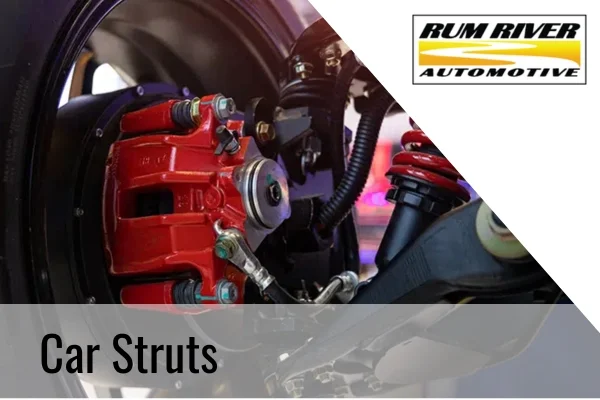
If you have issues with your car shocks, you're quite literally in for a bumpy ride. Your vehicle's shocks absorb impact. Failing shocks can also put excessive stress on the axles and gears. This could lead to axle or transmission issues, which could be associated with a very costly repair. Here are a few signs of failing shocks that you need to be familiar with.
- Excessive Vibration: If you notice excessive vibration and jarring bumps more than previously, this is likely a sign of issues with your car shocks. This vibration can be strong enough to keep you from getting comfortable. You may notice that the steering wheel tends to vibrate even when the road is smooth.
- Visible Wear and Tear: You may notice rust or signs of wear on the shocks if you look underneath your vehicle. These are surefire signs that your struts need to be replaced. So, if you're wondering, "When do car struts need to be replaced?", take a look under your vehicle.
- Noticeable Dipping: You may notice that your car "squats" if the shocks are failing. This will be particularly noticeable when you accelerate. The nose of the car may tend to dip when you brake.
- Lateral Movement: You may notice that your car tends to sway side to side when you're driving down the road. This will be especially noticeable during sharp turns and when you change lanes.
When Do Car Struts Need To Be Replaced?
Car struts need to be replaced every 50,000-100,000 miles, but it depends on the type of driving you do. Dirt and gravel roads tend to subject your shocks to more wear and tear.
Need to know more about when do car struts need to be replaced? Contact our ASE Certified Technicians at Rum River Automotive for more information about car shocks and to schedule an appointment. Our auto shop proudly serves residents in the community of Princeton, MN, and in the surrounding areas of Milaca, MN, and Zimmerman, MN.
About the Author